Decommissioning Defaults: The risks of late-life oil and gas assets
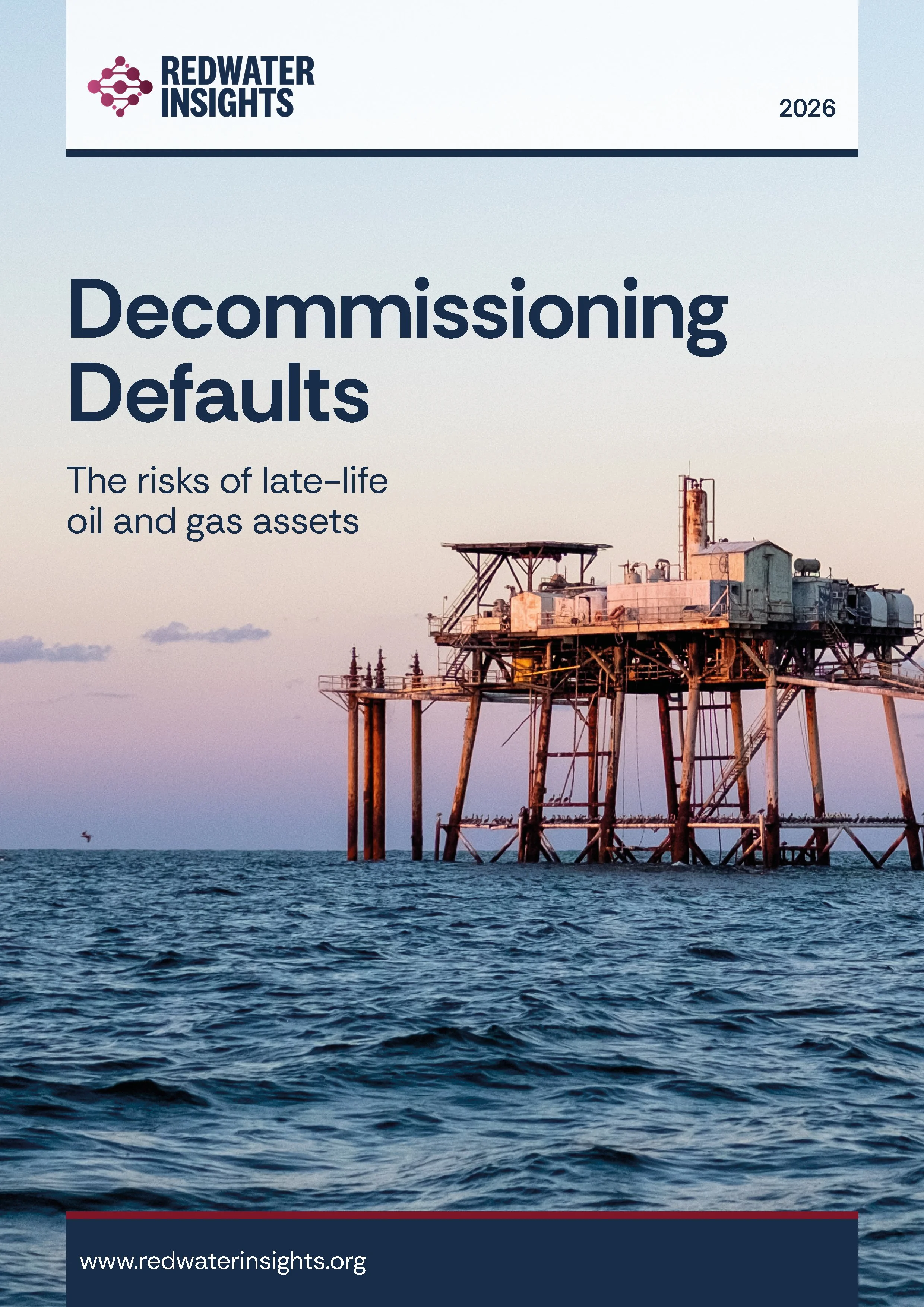
International case studies of systemic failure in how oil and gas decommissioning liabilities are allocated and enforced. This report evidences the need for robust financial assurance frameworks that ensure oil and gas companies cannot walk away from their clean-up responsibilities.
Introduction
In most jurisdictions around the world, oil and gas companies have a legal obligation to decommission, or clean up, their infrastructure once it ceases production. On a company’s balance sheet, the value required to appropriately clean up the unproductive asset is called its decommissioning liability, or asset retirement obligation (ARO).
Decommissioning work comes at a cost and requires specialist skills and investment. A common way for many companies around the world to manage their assets and to reduce their decommissioning liability is to divest the asset to another company, rather than pay to undertake the clean-up work themselves. Some of these transfers are to companies who specialise in late-life fields. Among oil and gas majors, it can be routine for divestments, or disposals, to be the biggest factor when reducing their AROs on their balance sheet.
Although it is a company’s obligation to clean up its assets, it is not often required to save for this inevitability. That single fact goes a long way towards explaining why the world now faces a growing accumulation of unmet retirement obligations. Some estimates suggest that oil and gas infrastructure alone represents US$4 trillion in liability globally that must be settled.
Some jurisdictions have what are called ‘trailing liability’ laws, also known as boomerang liabilities, which means the legal responsibility for decommissioning extends beyond the current owner of the asset to include former owners. This ensures decommissioning costs are covered even if the current owner fails to meet its obligations.
In some cases, successor companies acquiring assets are smaller, less capitalised and less technically capable of managing the environmental liabilities they inherit. When they fail – and where trailing liability laws do not exist – it is often the case that the required costs fall to regulators, the government and, in turn, the taxpayer. There are examples of asset transfers that appear, on paper, to represent a legitimate change of ownership, but in practice these transactions shift obligations to a smaller operator unable to carry out the clean-up work.
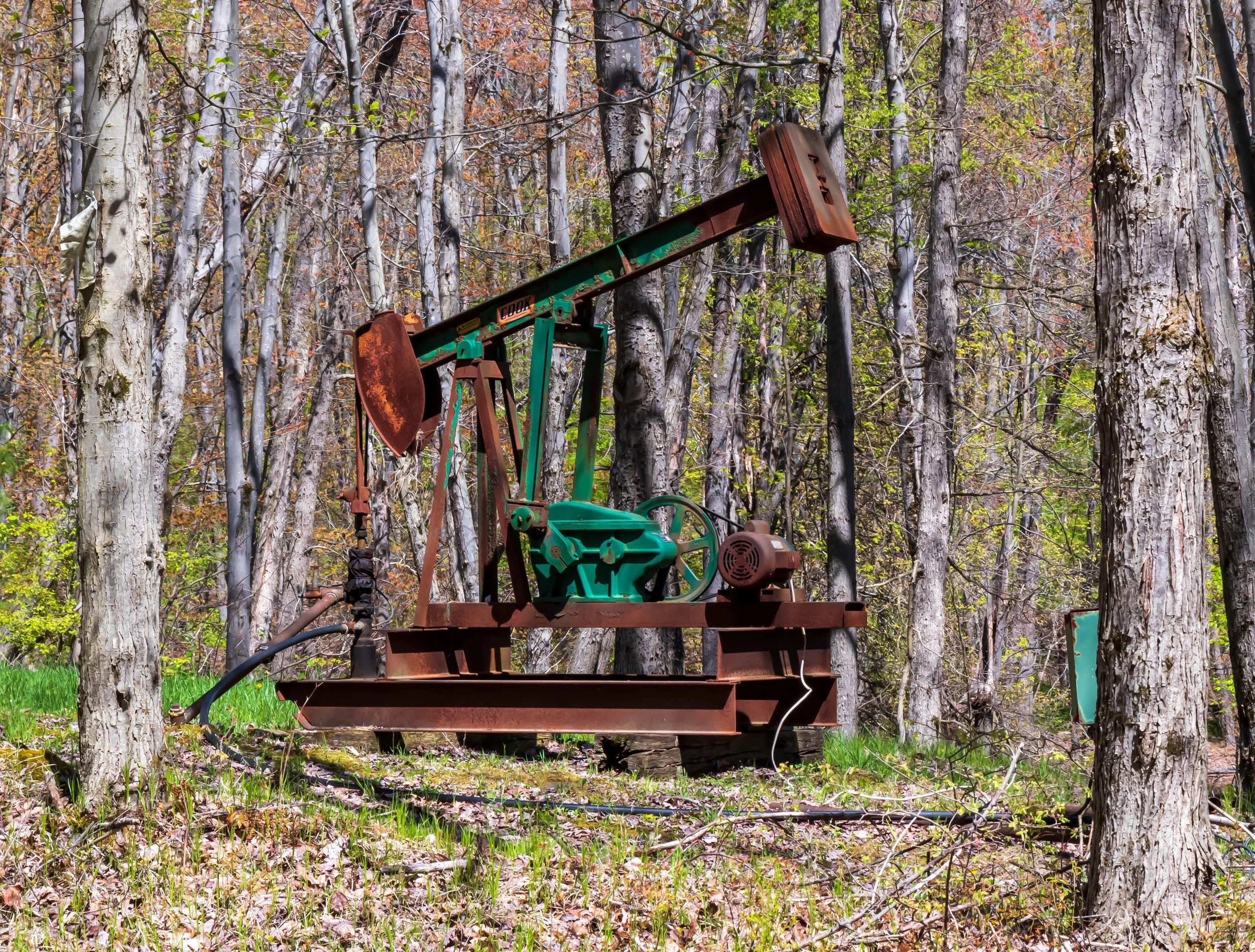
Unmet decommissioning liabilities have direct, tangible implications. When a well is ‘orphaned’ it has been abandoned by its owner and is no longer in service, meaning it has not been properly sealed or plugged. Orphaned oil and gas infrastructure harms land values and poses ongoing environmental and health risks. It can prevent the use of land for growing crops or raising livestock and can contaminate groundwater, while fugitive emissions like methane also carry health and environmental impacts.
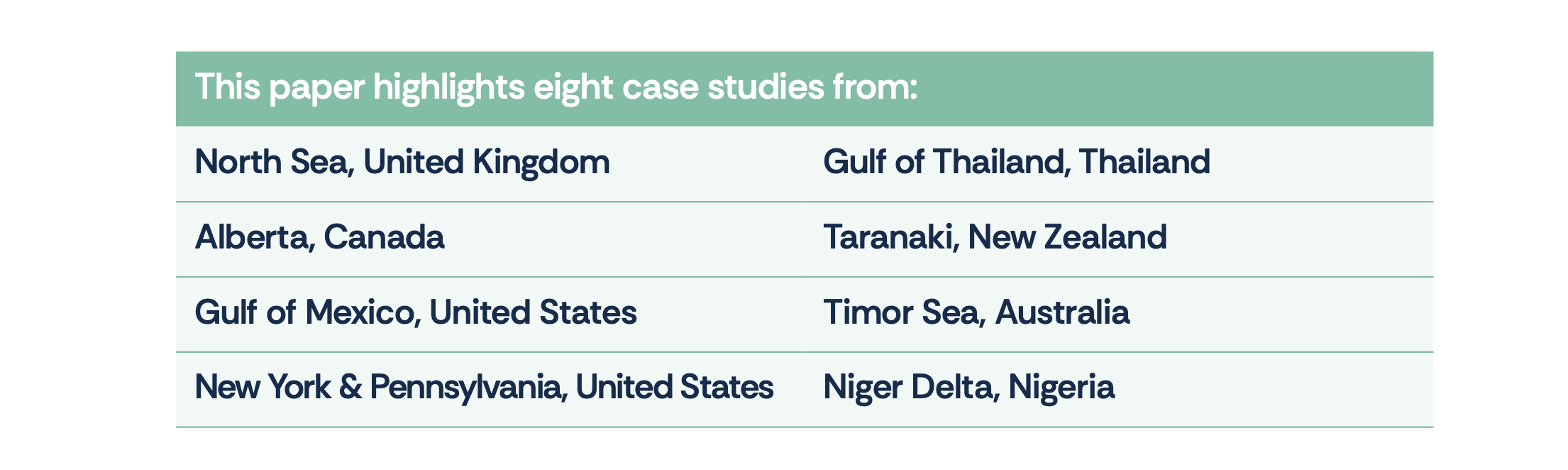
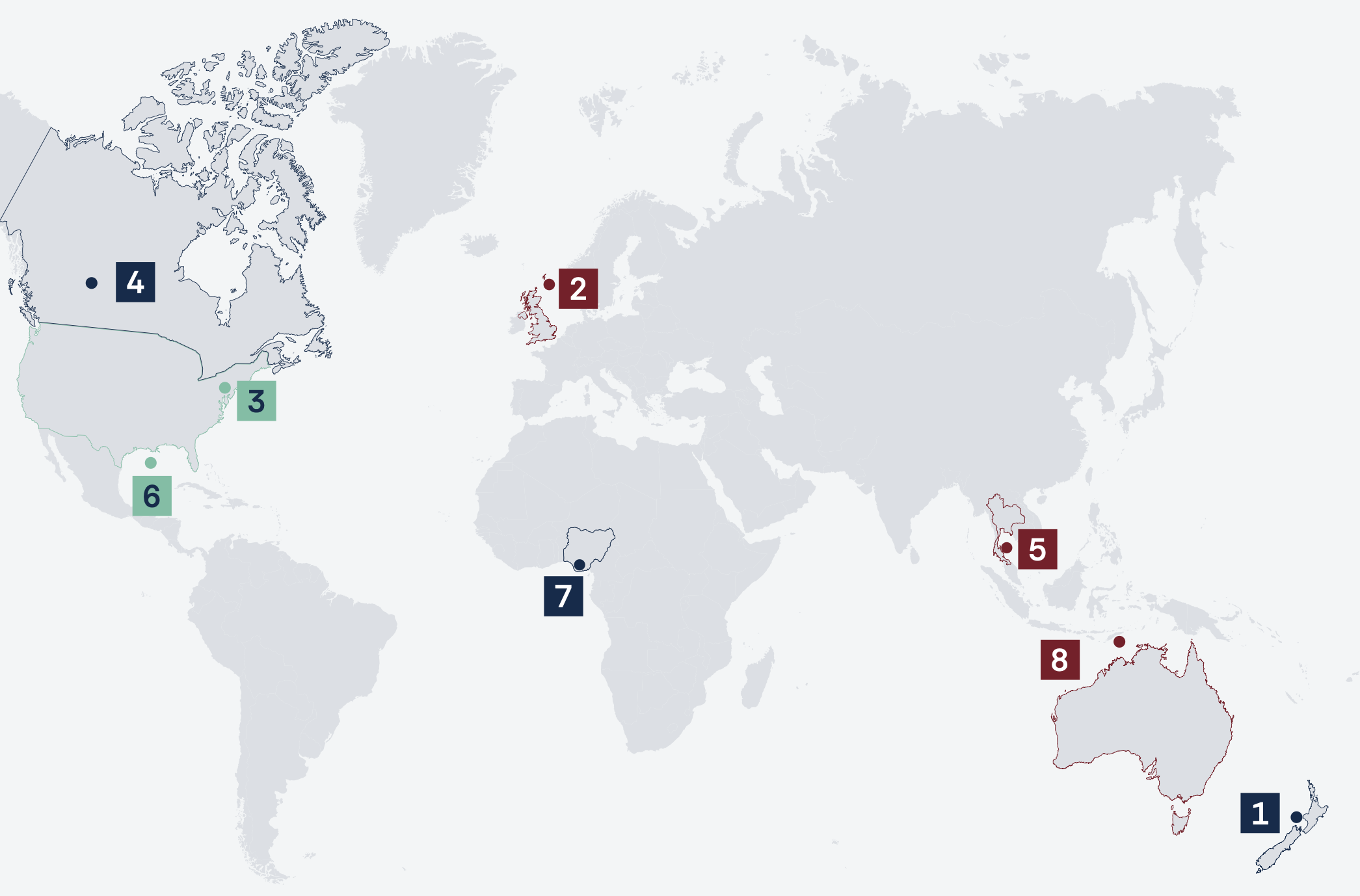
Oil and gas companies in these countries have prioritised divesting assets rather than undertaking remediation obligations themselves. For various reasons these cases have resulted in defaults, with clean-up bills falling to governments and taxpayers.
These cases are examples of systemic failure in how decommissioning liabilities are allocated and enforced. They evidence the need for robust financial assurance frameworks that ensure oil and gas companies cannot walk away from their clean-up responsibilities.
All defaulting companies featured in the case studies were contacted for comment before publication; however, they failed to reply.